Cuba
Santería
Born from the collision of West African Yoruba spirituality and Spanish Catholicism, Santeria is a faith of adaptation-where Catholic saints veil the faces of orishas like Changó, Yemayá, and Ochún.
The series
The series
Santería
On the series
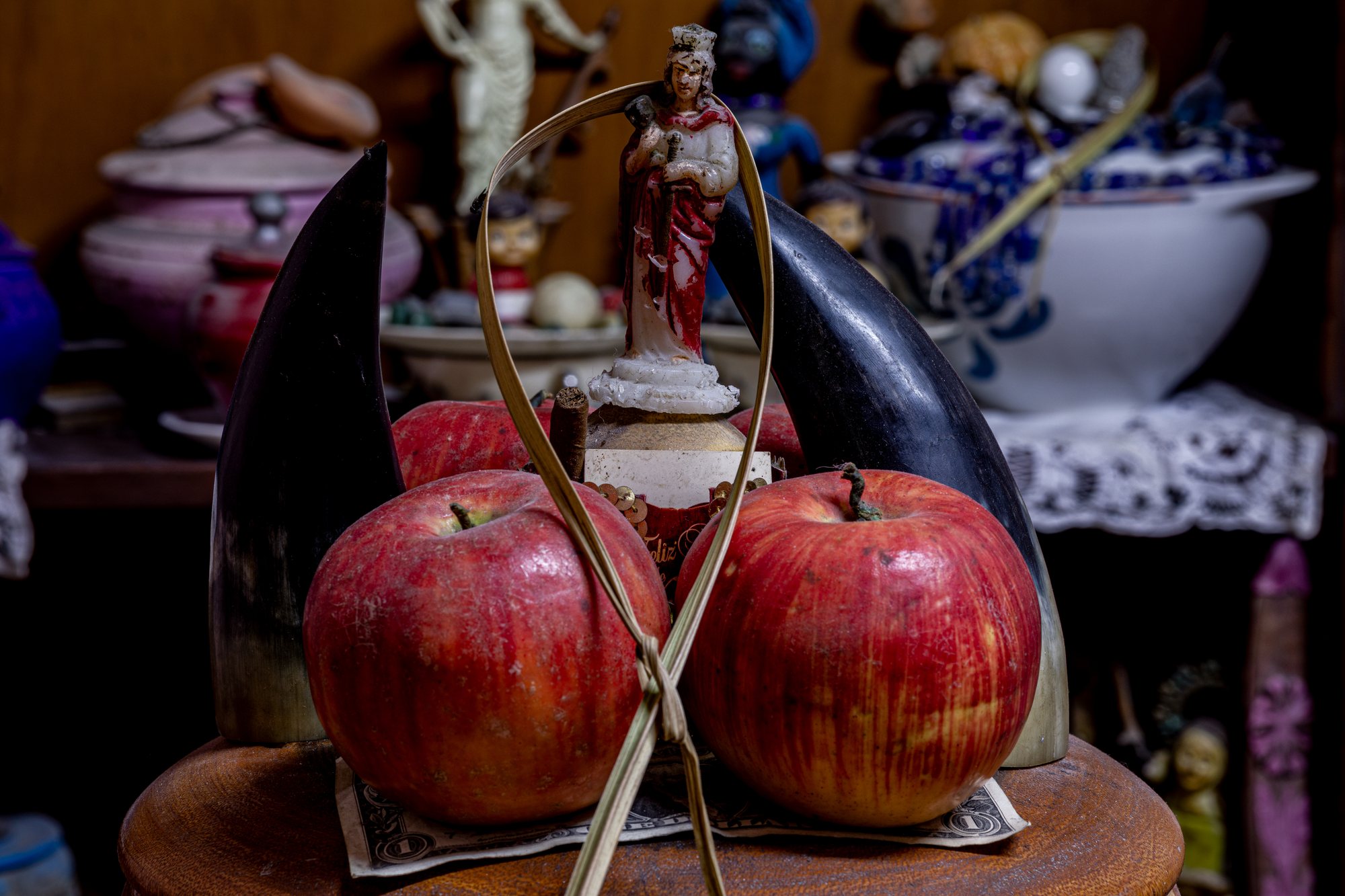
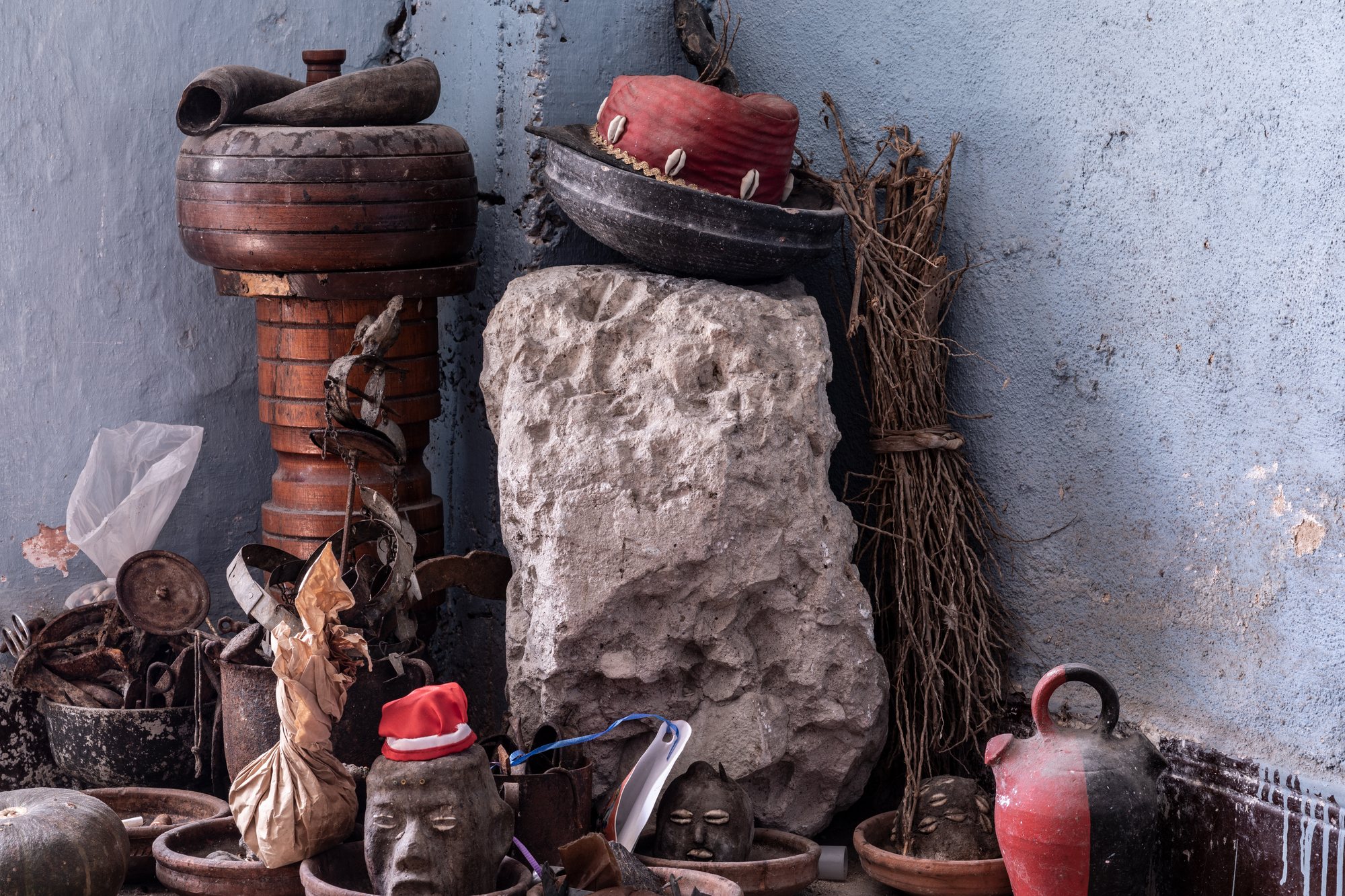
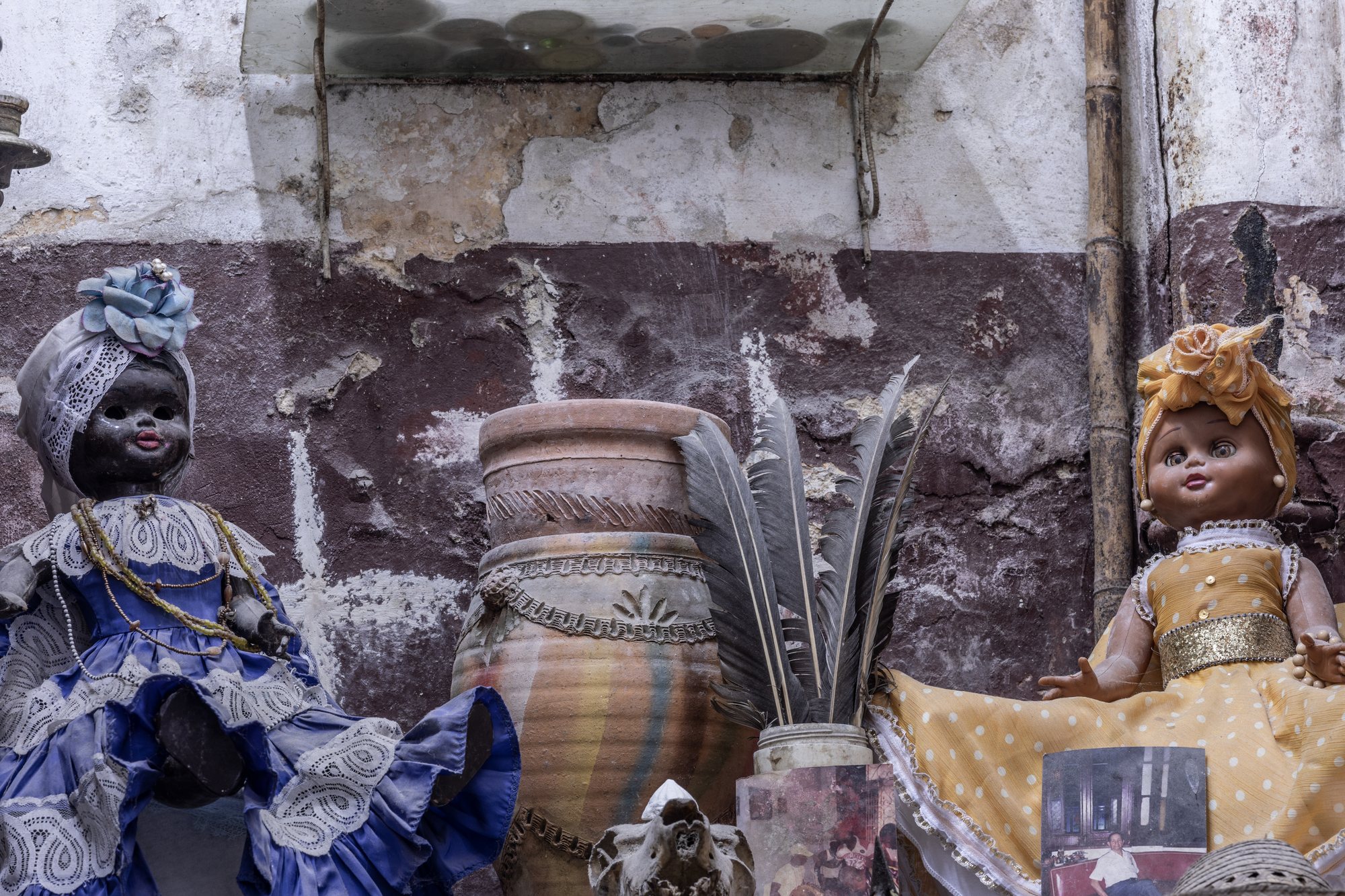
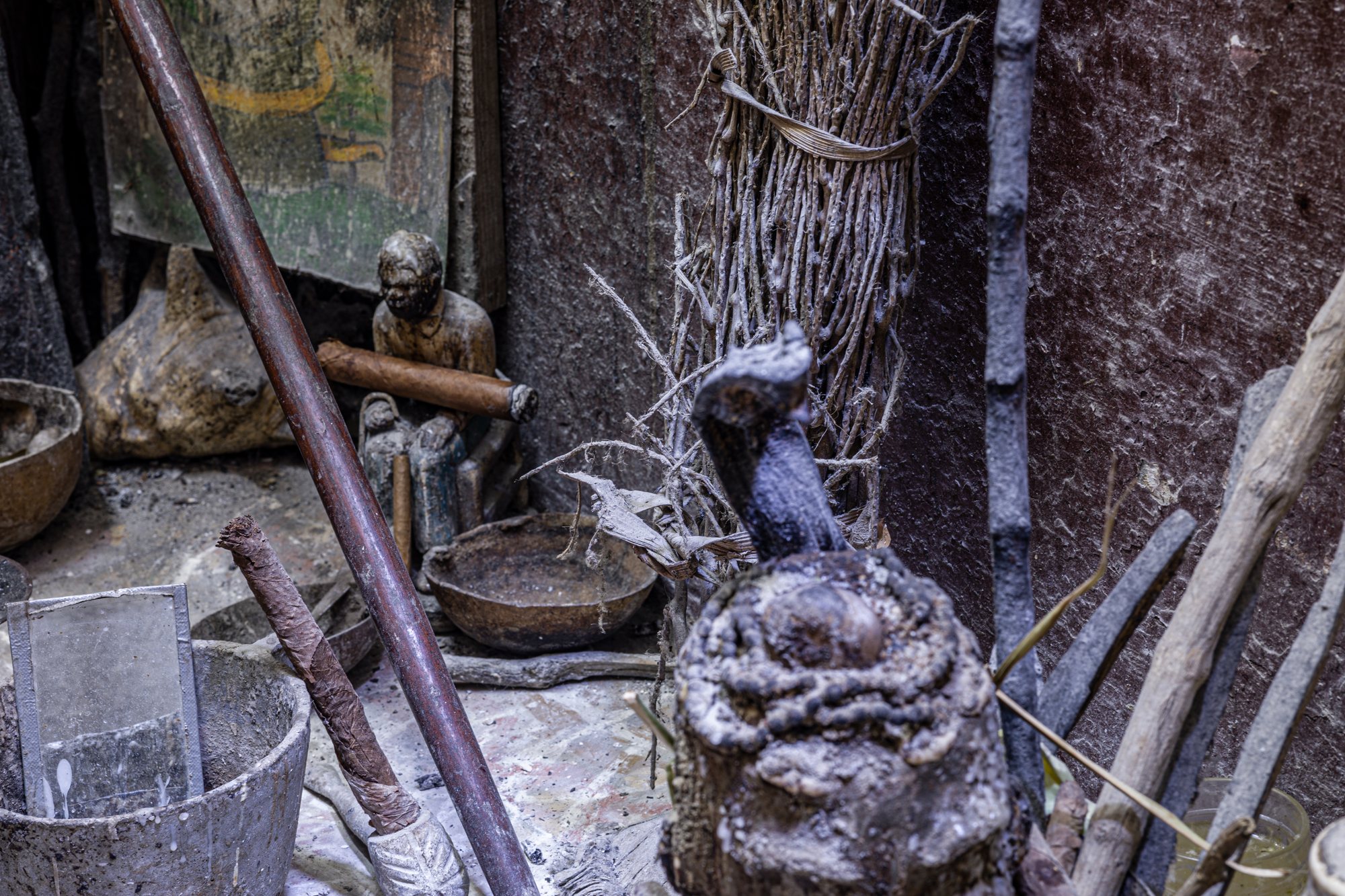
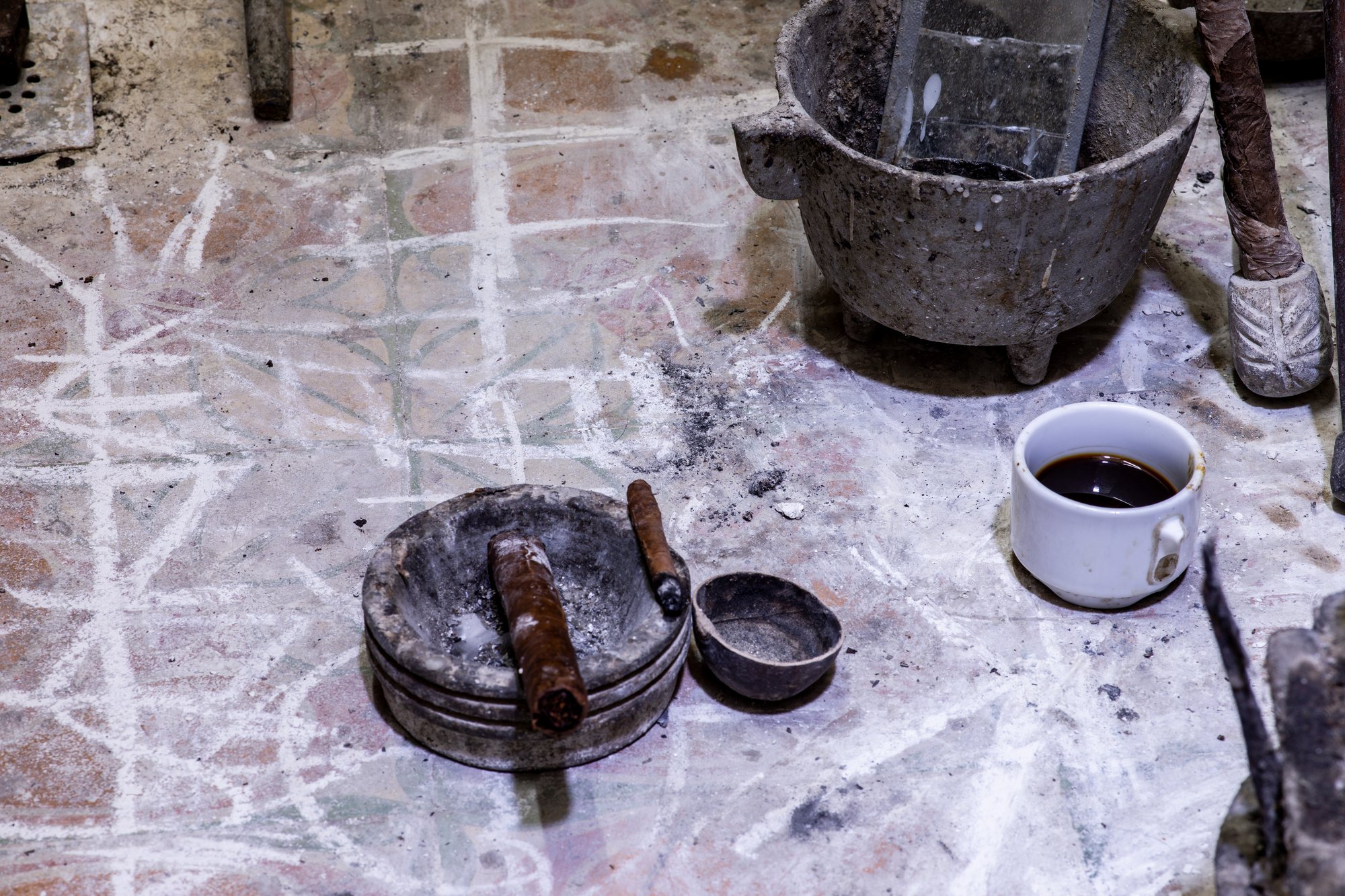
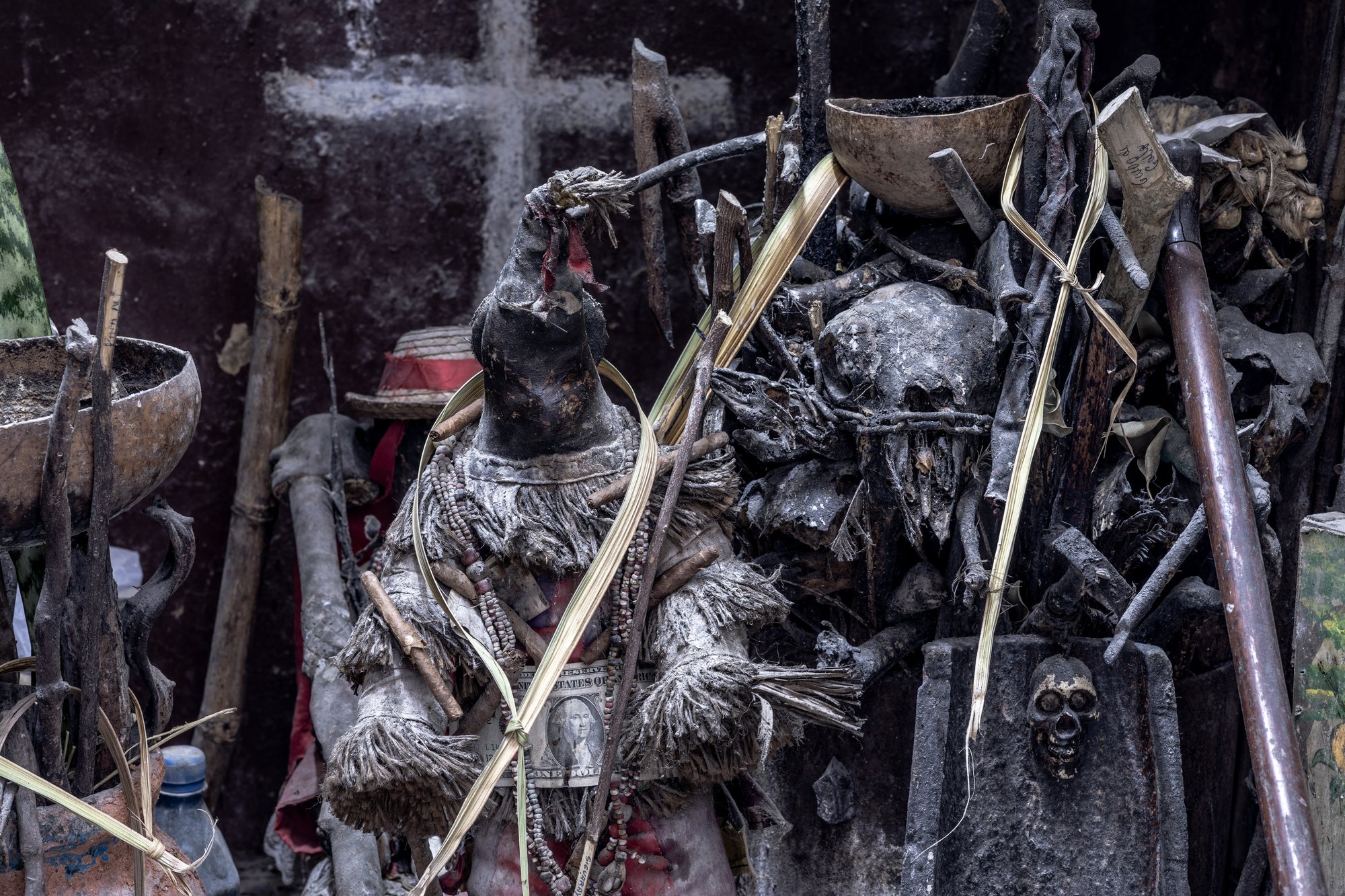
In the dim glow of candlelit rooms in Havana and Santiago, I have watched Santería unfold as a living, breathing testament to resilience. Born from the collision of West African Yoruba spirituality and Spanish Catholicism, it is a faith of adaptation-where Catholic saints veil the faces of orishas like Changó, Yemayá, and Ochún. My lens has lingered on makeshift altars crowded with offerings: ripe mangoes, cigars, coins, and blood-streaked stones, each object a silent prayer. During ceremonies, the air thickens with cigar smoke and the relentless pulse of batá drums, and I have seen worshippers, dressed in brilliant whites or the bead-strung collares of their guardian orisha, slip into trance as the divine momentarily borrows their bodies.
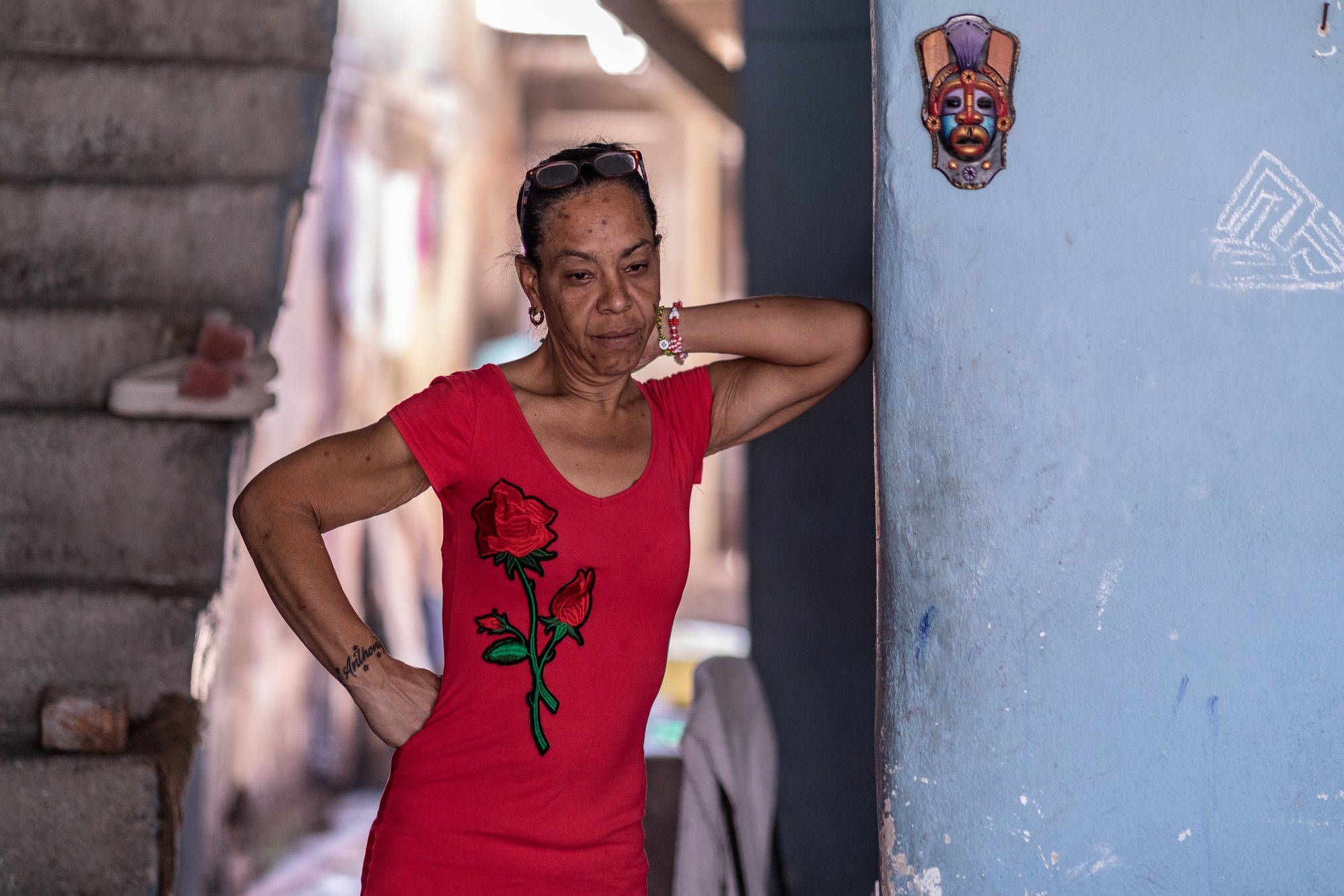
Yet Santería is not spectacle; it is survival and identity. In the faces of santeros and santeras, I see a quiet defiance -a refusal to let ancestral memory be erased by slavery, colonialism, or modernity’s indifference. I have stood at the edge of riverbanks at dawn, watching offerings of fruit and flowers float away as whispers to Ochún. To document Santería is to witness Cuba itself: layered, rhythmic, wounded, and luminous, holding fast to invisible worlds that still shape the visible one.
Available as 1/1sEach photograph in this Cuba series is released as a one-of-one NFT. View and collect the Spirit of Cuba Collection on OpenSea.